Obby Sprunki: Pet World
Obby: Pull a Sword
Race Clicker: Tap Tap Game
Obby: Boxer
Doors Castle
Find The Pets
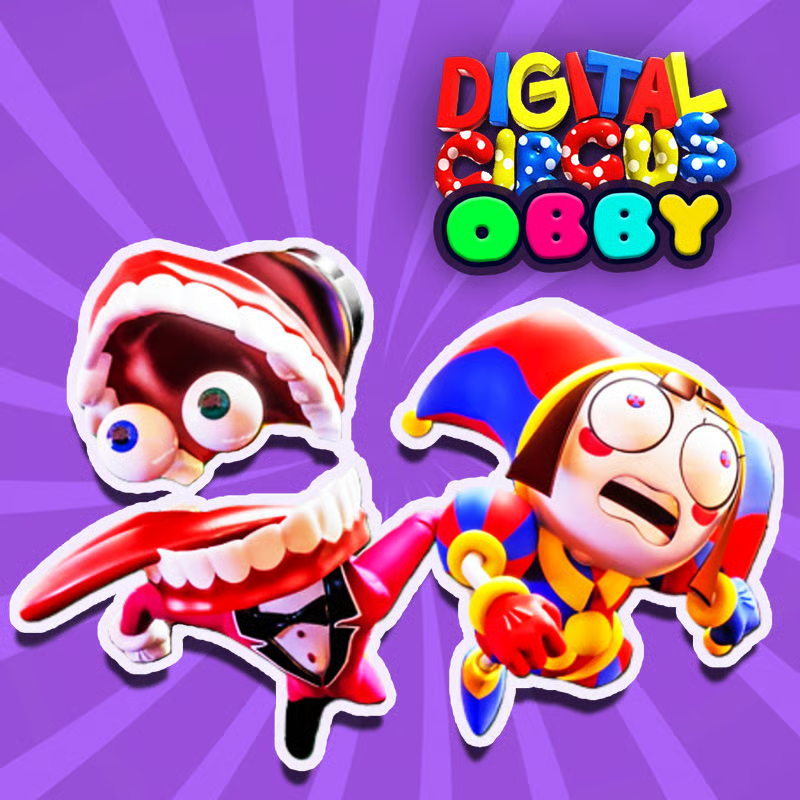
Digital Circus: Obby
PlayBlox.io
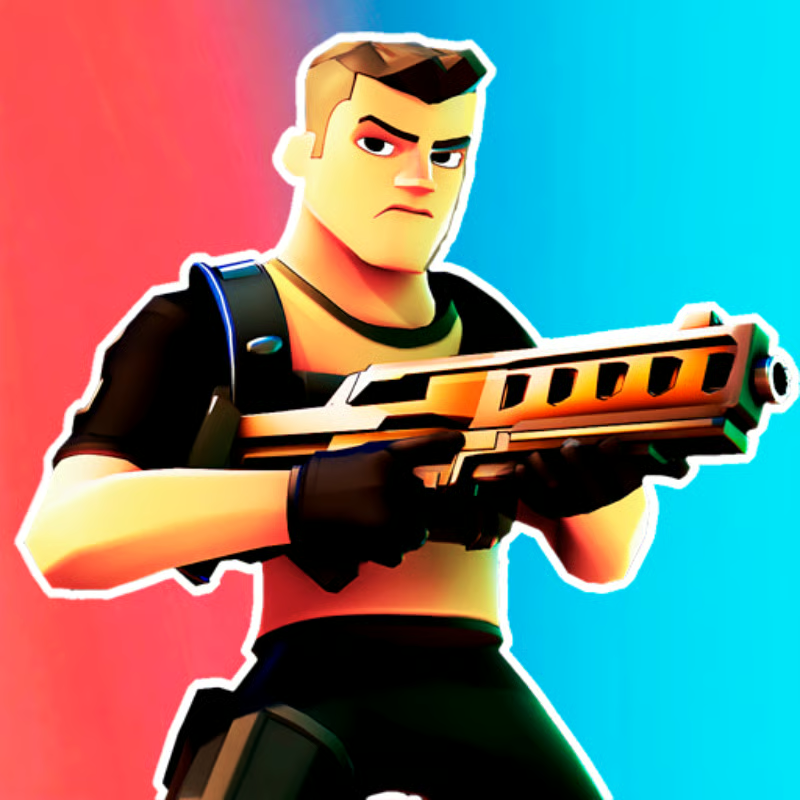
Fortzone Battle Royale
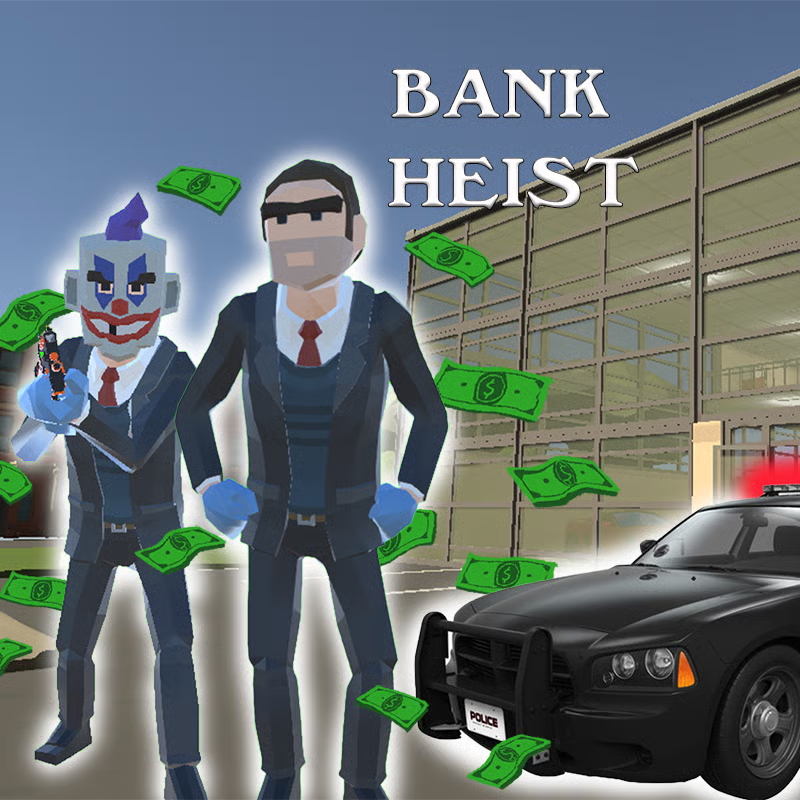
Bank Heist
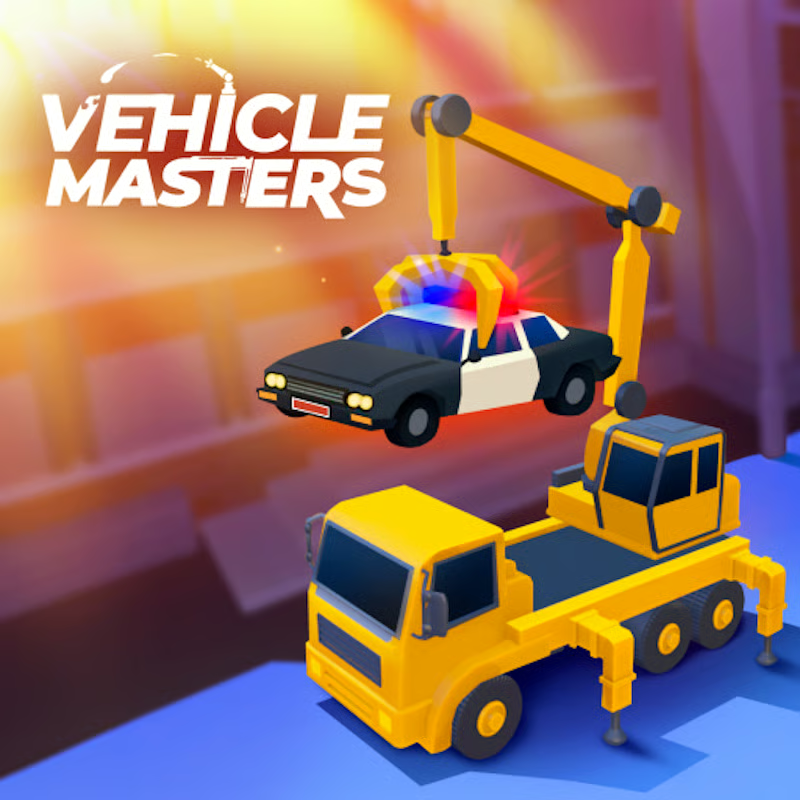
Vehicle Masters
Crazy Plane Landing
House of Celestina
Sharkosaurus Rampage
Cricket Superstar League
Obby World: Squid Escape
Sunset Bike Racing
Fisherman Life
Shape Shooter 3
Money Factory
Mini-Caps: Arena

Chibi Doll Dress Up & Coloring
Stickman Project
Evil Neighbor

Scavenger Hunt - Multiplayer
Ad Fundum
Bounce Heroes
Johnny n Tommy - Prank Masters
Kick Loser
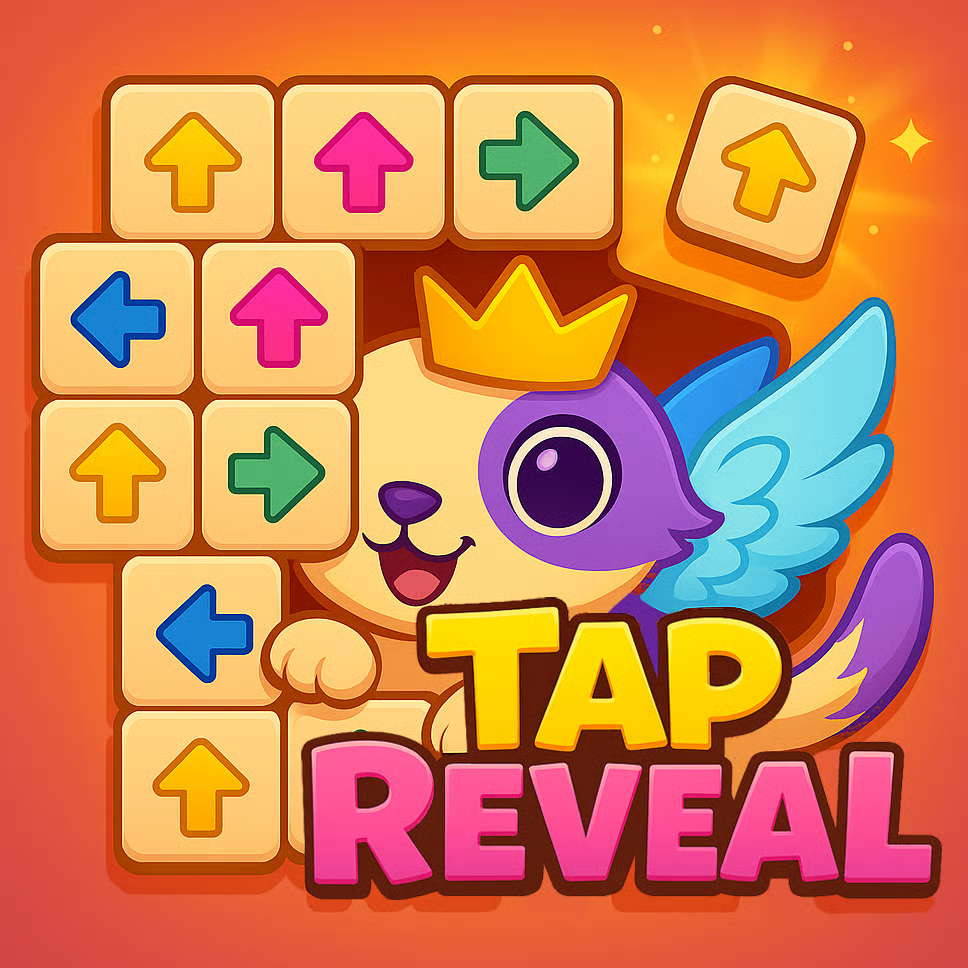
Tap Reveal
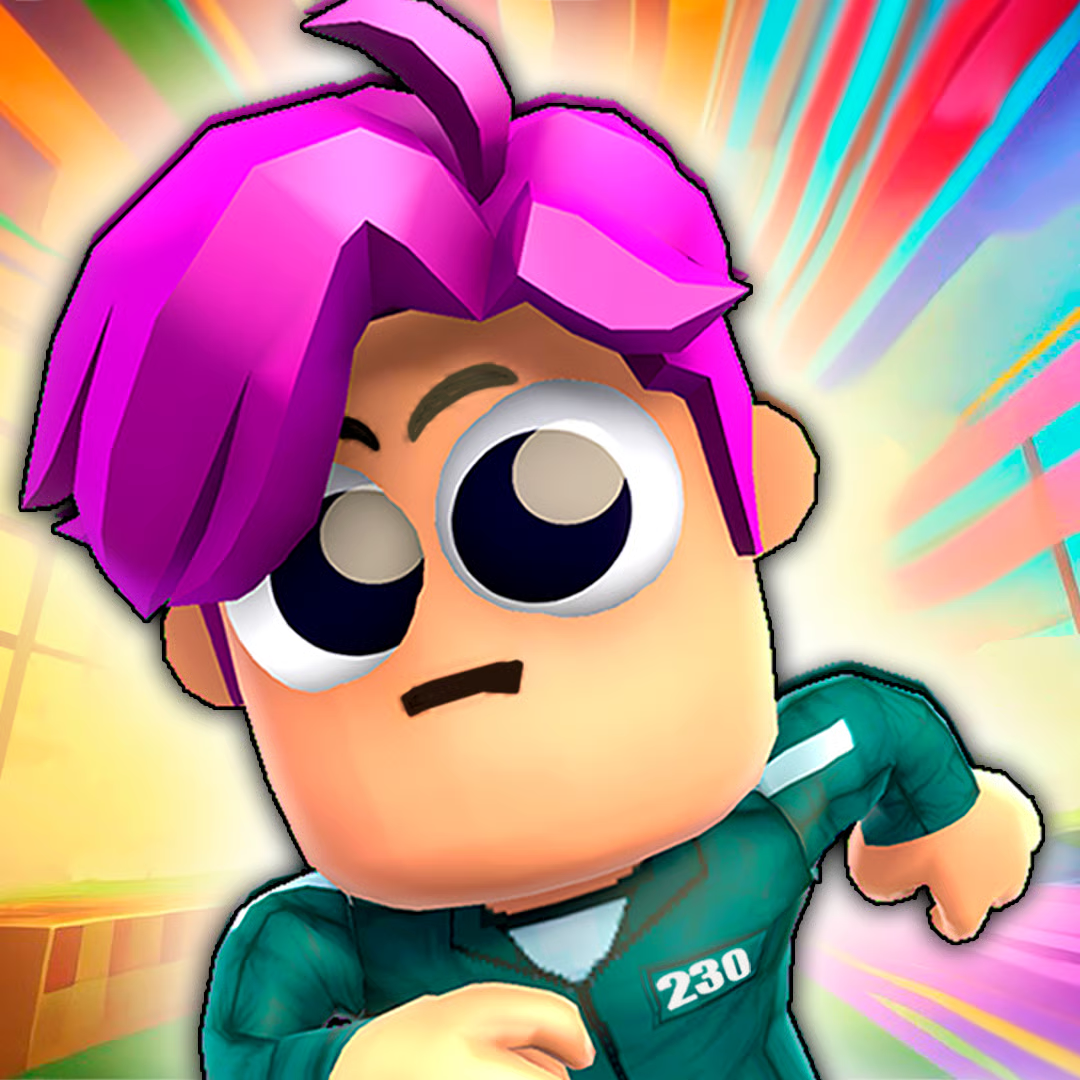
Obby Parkour Race: Multiplayer

Superstar College Girls Makeover
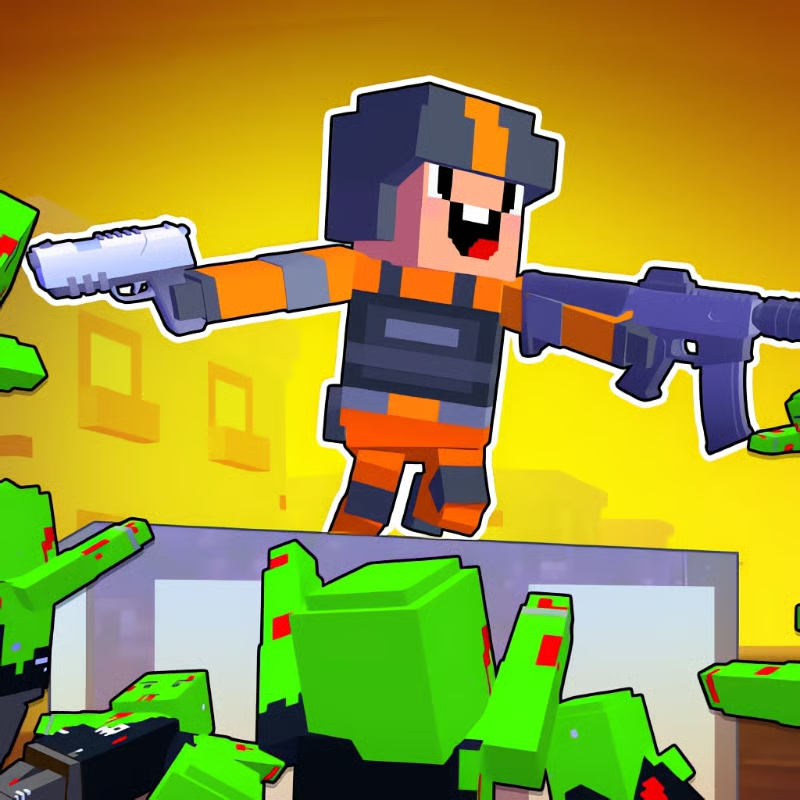
Cubic Frontier: Zombie Robby
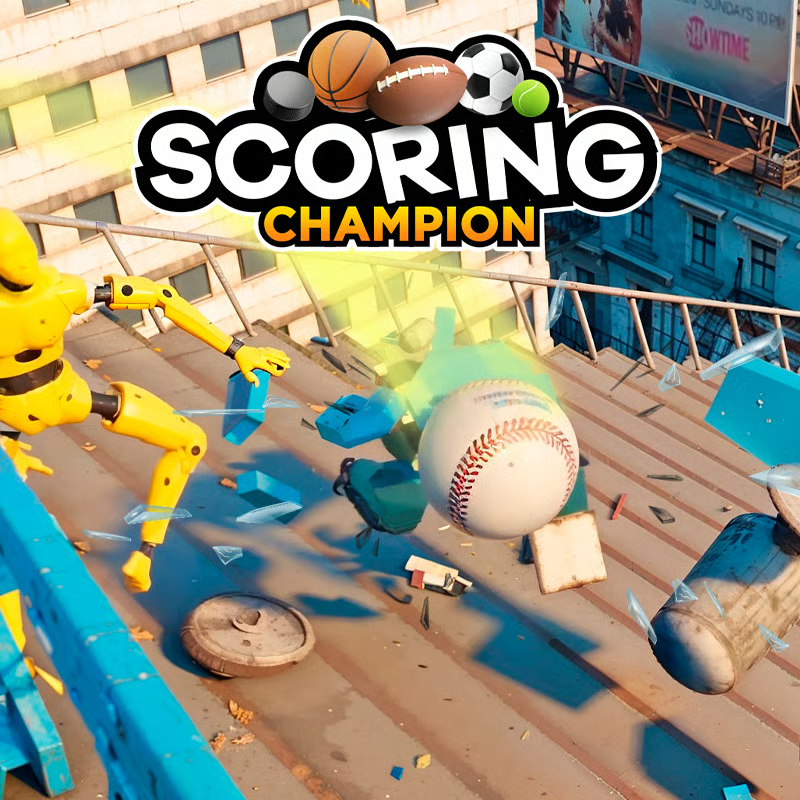
Scoring Champion
Sky Car Drift

Tile Dreams
Anna's Story: Dress Up DIY
Gang Brawlers
Genius Car 2
Castle Keeper
Obby Yard Sale
Arcade Empire
Stickman Clicker
Diver Hero

Sushi Break Dash
Wedding Coloring Dress Up Game

Drift Arena
Money Tree 2: Cash Grow Game
Escape the Dog
Find Differences: Spot 'Em All
Sniper Master
Merge Pickaxe 2
Hacking Hero: Hacker Clicker
Knight of Chess
Glitch

Popcorn Chef 2
Megabattle
Mix Rave
Obby Challenge: Prison Run
Number Digger
Nuts and Bolts Brainteasers
Senya and Oscar vs Zombies

Rodha
Lunar Knight
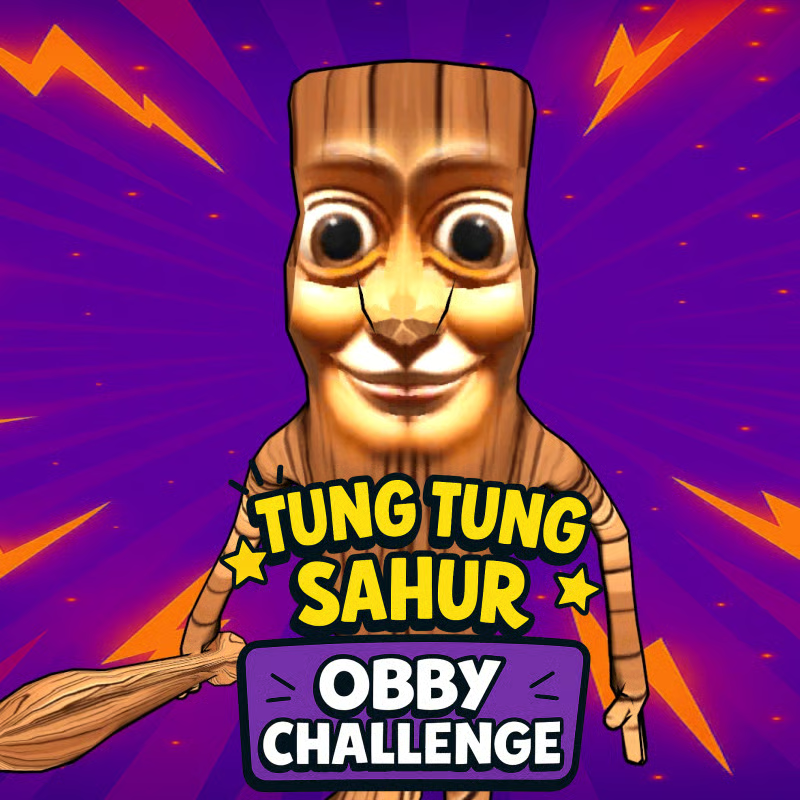
Tung Tung Sahur: Obby Challenge
Tung Tung Sahur: Obby Challenge — A Chaotic Meme Parkour Platformer Packed with Traps and Laughs
Tung Tung Sahur: Obby Challenge is a wild online obby parkour platformer that drops you straight into the absurd, hyper-chaotic world of Italian Brainrot memes. You play as the legendary meme icon Tung Tung Sahur and sprint through hilarious obstacle courses filled with traps, fake-outs, and physics-defying moments that feel like viral TikTok energy turned into a game. If you love funny parkour games, rage-inducing obstacle courses, and meme-fueled platforming you can play in quick bursts, this challenge delivers nonstop surprises—every jump, dodge, and fall included.
What makes Tung Tung Sahur: Obby Challenge different from a standard 3D platformer is the tone: it’s intentionally ridiculous. The level design leans into comedic timing, unexpected hazards, and “gotcha” traps that make you laugh even when you fail. You’ll feel the classic obby loop—retry, learn the pattern, nail the run—except here the payoff isn’t only winning. It’s the spectacle of barely surviving a trap gauntlet, launching off a misjudged ledge, and somehow stumbling across the finish line like a true meme hero.
Gameplay: How Tung Tung Sahur: Obby Challenge Works
The core gameplay is straightforward: clear obstacle courses as fast and clean as you can. The difficulty comes from tricky platform spacing, trap placement, and comedic surprises that punish autopilot movement. You’ll jump across gaps, weave around hazards, time moving obstacles, and recover from near-misses while the game constantly tries to bait you into mistakes.
What you can expect in each run:
-
Parkour platforming with precision jumps across ledges, beams, and floating platforms
-
Trap-filled obby levels that reward pattern recognition and careful pacing
-
Fake-outs and surprise hazards designed for sudden falls and instant laughs
-
Quick retries so you can learn sections and improve immediately
-
Momentum-based movement where rushing can be your greatest enemy
-
Meme-styled chaos that keeps the tone light even when the course is brutal
Because the game is inspired by viral meme culture, levels often feel like a comedy sketch: you think you’ve found the safe path, then a hidden trap punishes your confidence. The best strategy is to treat every new section like a puzzle—observe first, then commit.
Tips and Tricks to Beat Trap Levels and Finish Faster
Whether you’re trying to clear levels without raging or chasing cleaner completion times, these tactics make a huge difference.
1) Assume every “easy” platform is a setup
In many obby games, the obvious route is safe. In Tung Tung Sahur: Obby Challenge, the obvious route is often a joke. Slow down on the first attempt of a new segment and look for trap cues: weird floor textures, suspicious gaps, or platforms placed “too perfectly.”
2) Use a two-step rhythm: land, then micro-adjust
Most falls happen right after a good landing. Make a small correction after you land—especially on narrow platforms—before you jump again. This keeps your movement stable and prevents slide-offs.
3) Control the camera like a speed tool
Camera alignment helps you judge distance and angle. For corner jumps and thin beams, keep your view aligned with the direction of travel. The calmer your camera, the calmer your inputs.
4) Learn the “trap timing window”
Moving hazards and timed traps usually have a safe cycle. Instead of gambling, wait one beat to see the pattern, then commit when the window is clean. One patient decision can save multiple retries.
5) Don’t panic after a near fall
The game wants you to tilt. If you survive a wobble, don’t mash forward and overcorrect. Stabilize, re-center, and continue. Many “unfair” deaths are really panic deaths.
6) Use failures as scouting runs
Your first attempt is often reconnaissance. Find where the hidden trigger is, learn which platforms drop, and identify which trap activates late. Once you know the joke, it stops being dangerous.
7) Chase consistency before speed
If you’re trying to beat levels quickly, focus on a route you can repeat. A consistent “safe” line will beat a risky shortcut that makes you restart every other run.
Player Intent Covered: Why People Search for This Kind of Game
Tung Tung Sahur: Obby Challenge fits multiple player goals that often show up in searches:
-
A funny meme game inspired by TikTok culture: absurd humor and viral chaos vibe.
-
An online obby parkour challenge: classic platforming with trickier trap design.
-
A rage game with quick retries: hard but replayable, perfect for “one more try.”
-
A casual game for short sessions: jump in, attempt a few runs, leave satisfied.
-
A challenge to stream or share reactions: sudden fails and wild recoveries create great clips.
-
A skill-based platformer: timing, camera control, and pattern learning matter.
If you like games that feel unpredictable but become conquerable once you learn the rules, you’ll love how this title turns meme chaos into real platforming practice.
FAQ
Is Tung Tung Sahur: Obby Challenge difficult?
It can be, especially because of trap-heavy design and surprise hazards. The difficulty feels fairer once you learn patterns and stop rushing new sections.
Does it rely on reflexes or memorization?
Both. Reflexes help with sudden hazards, but memorizing trap triggers and timing windows is what makes you consistent.
How do I stop dying to surprise traps?
On first attempts, slow down and scout. Watch for timing cycles, test suspicious platforms, and treat deaths as information.
Is it more comedy or more skill?
It’s a comedy-first platformer, but skill matters. Players who control their camera, keep rhythm, and learn patterns will clear levels much more reliably.
Is it good for quick play sessions?
Yes. Levels are designed for fast retries, so you can play a few attempts in minutes or grind for cleaner runs longer.
🎮How to Play
Controls
- WASD / Arrow keys = move
- Space = Jump
- Q = crouch
- Shift = run
- Left-click = spin
- Move mouse = look around
- Tab = pause